If you were unavailable for a few days, would someone you trust know which institutions hold your investments and where the latest records are?
They might know that you invest regularly without knowing which broker you use, where the statements are stored or which information is current. A simple guide to locating records can reduce that confusion.
Explain where the information lives
Start with an institution list: provider name, broad investment category, owner and the location of the original records. A masked account reference can help distinguish two accounts without putting full identifiers into a widely shared document.
The guide should help the intended person find the right record and official contact route. It does not need to contain every holding or amount.
Keep the guide separate from credentials
Do not turn a family information sheet into a list of passwords, PINs or one-time codes. SEBI’s investor guidance says not to share online-account passwords. See SEBI’s securities-market guidance.
Agree on an appropriate place for the guide and who may see it. If you use a shared folder, review its access deliberately. Remove unnecessary copies and avoid sending sensitive documents into a casual group chat.
Make the first page usable
A practical first page can answer five questions:
- Which institutions should we contact?
- Whose name is each account or investment recorded in?
- Where are the latest statements and original documents?
- Which official website or verified contact route should we use?
- When was this guide last checked, and what remains missing?
Use plain descriptions. “October broker statement in the Investments folder” is more useful than a filename that only you understand.
Walk through it with the intended person
Ask them to locate one statement using the guide. They do not need to log in as you or carry out a transaction. The exercise is simply to see whether the instructions work.
If they cannot identify the institution or find the right folder, revise that part. Add a review date so an old guide does not appear current after an account changes.
Keep access and ownership clear
Knowing where a document is stored does not confer authority to transact. An investment list also does not replace the institution’s formal processes or professional advice about succession. Check any authority or documentation question through the relevant official process.
Keep the guide focused on locating information. Deal with changes to ownership, permissions or legal arrangements separately, with the appropriate verification.
How Punjii.com can help
Punjii is being built to make the family investment picture easier to understand. Organising records around the right owners and portfolios can support a clearer conversation about what exists and which records need attention.
Current private-beta family records are creator-owned. Adding a person as an owner record does not invite them, give them a login or share your portfolios. Shared access and invitations are not currently available, so keep your agreed record-location guide outside that assumption.
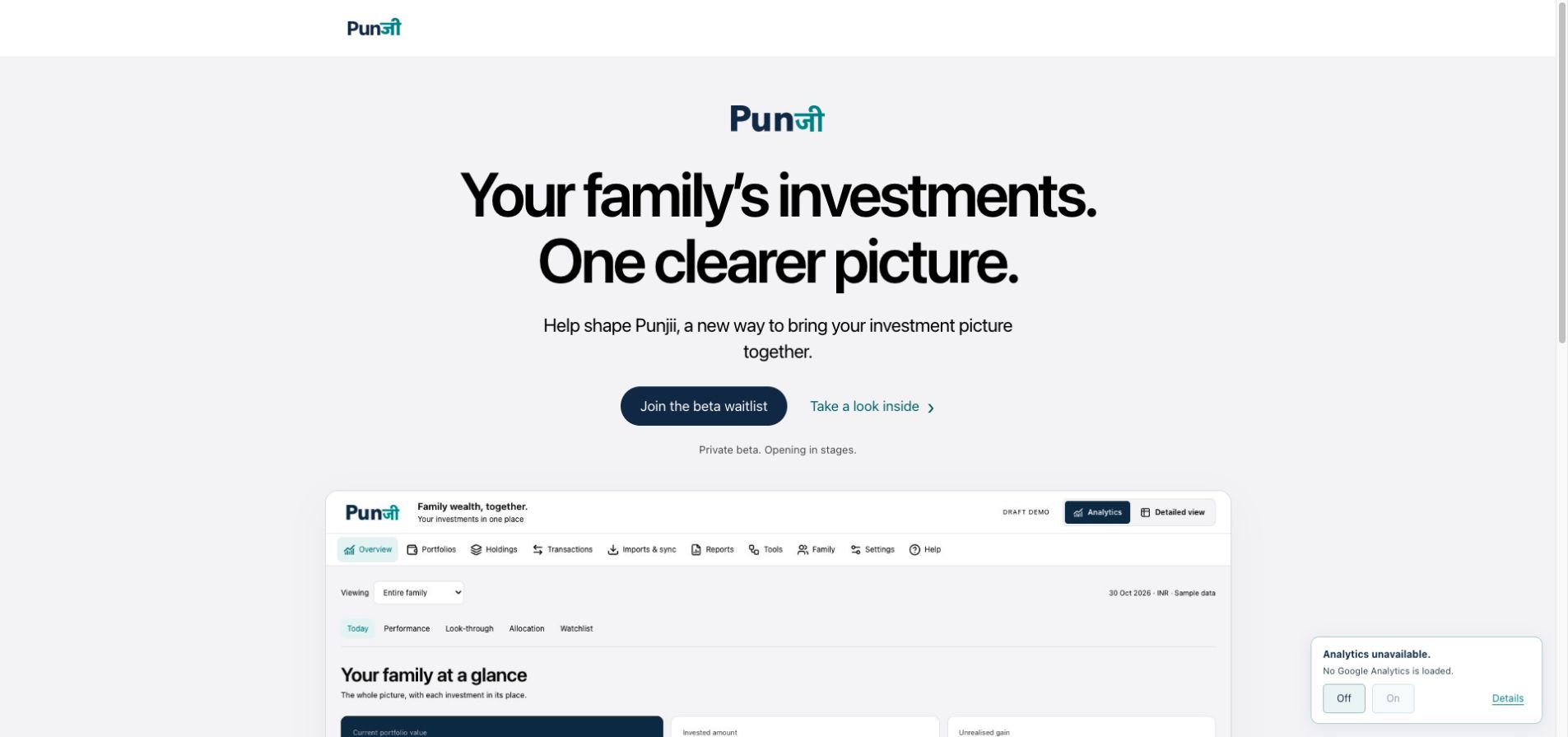
The public site lets you inspect the sample product view and request beta updates. It is a starting point for exploring Punjii, while your family’s access arrangements remain a separate responsibility.
Join the Punjii beta waitlist for availability and access updates. Private beta is opening in stages.
Try one small task this week
Create the institution list, choose a trusted person and check that they can find one appropriate record. Completing that small exercise will reveal more than asking whether everyone “knows about the investments.”